
ENT (Ear, Nose, Throat)

Sudden Hearing Loss from Use of Earbuds

Sudden hearing loss after using earbuds can occur due to earwax blockage, trauma to the eardrum, or noise-induced damage. Immediate treatment is crucial for better recovery. If hearing loss persists or worsens, and / or is accompanied by dizziness, ringing (tinnitus), or pain, consult an ENT specialist immediately. Early intervention improves the chances of restoring hearing. Immediate Steps: Medical Treatment Options: Avoid using earbuds at high volumes for prolonged periods to prevent future hearing issues

Sudden Hearing Loss from Use of Earbuds Read More »

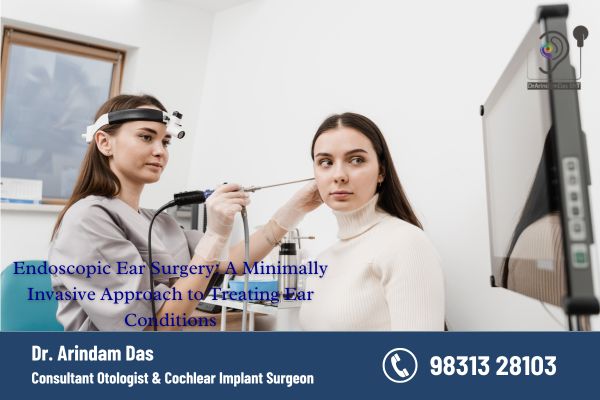
Endoscopic Ear Surgery: A Minimally Invasive Approach to Treating Ear Conditions

Endoscopic Ear Surgery: A Minimally Invasive Approach to Treating Ear Conditions Expert Insights from Dr. Arindam Das Introduction Ear conditions can significantly impact hearing and quality of life. Traditional ear surgeries often involve large incisions and extended recovery periods. However, endoscopic ear surgery (EES) is revolutionizing the field by offering a less invasive, highly effective alternative. Dr. Arindam Das, an experienced ENT specialist, shares insights on how EES provides better outcomes with minimal discomfort for patients. What is Endoscopic Ear Surgery? Endoscopic ear surgery is a modern scar-free technique where surgeons use an endoscope—a thin, flexible tube with a high-definition camera—to access and treat conditions inside the ear. Unlike conventional methods, EES does not require large incisions or removal of ear structures, making it a preferred choice for many patients. Conditions Treated with Endoscopic Ear Surgery  Chronic Otitis Media – Persistent ear infections causing fluid buildup and hearing loss. Cholesteatoma – Abnormal skin growth in the middle ear that can damage nearby structures. Eardrum Perforation – A hole in the eardrum that may lead to infections or hearing impairment. Ossicular Chain Reconstruction – Restoring the small bones in the middle ear to improve hearing. Benefits of Endoscopic Ear Surgery  Minimally Invasive – No external cuts, reducing pain and risk of complications. Better Visualization – The endoscope provides a magnified view of the middle ear for precise treatment. Faster Recovery – Patients heal more quickly than with traditional surgeries. Preservation of Ear Anatomy – Avoids unnecessary removal of ear structures, maintaining natural hearing. How the Procedure is Performed  Step 1: Anesthesia – The patient receives either local or general anesthesia. Step 2: Endoscope Insertion – A high-definition endoscope is inserted through the ear canal. Step 3: Surgical Repair – The surgeon uses micro-instruments to treat the affected area. Step 4: Recovery – Since no large incision is made, post-surgery discomfort is minimal. Recovery & Aftercare  Most patients recover within 2–3 weeks with little to no pain. Avoid water exposure, heavy lifting, and loud noises during the recovery phase. Regular follow-ups ensure proper healing and hearing improvement. Why Choose Dr. Arindam Das for Endoscopic Ear Surgery? Dr. Arindam Das is a renowned ENT surgeon with extensive experience in minimally invasive ear procedures. His expertise in endoscopic techniques ensures that patients receive effective, safe, and advanced treatment options for their ear conditions. Is Endoscopic Ear Surgery Right for You? If you’re struggling with chronic ear infections, hearing loss, or eardrum issues, endoscopic ear surgery could be the solution you’ve been looking for. Schedule a consultation with Dr. Arindam Das to discuss your treatment options and take a step toward better ear health.

Endoscopic Ear Surgery: A Minimally Invasive Approach to Treating Ear Conditions Read More »

When to See a Doctor for Tonsillitis: Signs You Shouldn’t Ignore

When to See a Doctor for Tonsillitis: Signs You Shouldn’t Ignore with Dr. Arindam Das Tonsillitis, an infection or inflammation of the tonsils, is a common condition, particularly in children. While mild cases of tonsillitis can typically be managed with home remedies, some signs indicate that professional medical intervention is necessary. Dr. Arindam Das, an expert in ear, nose, and throat (ENT) conditions, emphasizes the importance of recognizing these signs early to prevent complications and ensure proper treatment. 1. Persistent or Severe Sore Throat A sore throat is the most common symptom of tonsillitis. However, if the sore throat becomes severe or doesn’t improve after a few days, it’s important to consult with Dr. Arindam Das. Prolonged pain may indicate a bacterial infection, like strep throat, which requires medical treatment such as antibiotics. 2. Difficulty Breathing or Swallowing When tonsillitis causes the tonsils to become swollen, it can make it painful or difficult to swallow or even breathe. If you notice any difficulty breathing or swallowing, it’s crucial to seek medical help immediately. Dr. Arindam Das can evaluate the severity of the condition and provide the appropriate treatment. 3. High Fever While a mild fever is common with tonsillitis, a high fever (above 101°F or 38.3°C) that lasts for several days is a concerning symptom. High fever often signals a bacterial infection, such as strep throat, which requires antibiotics. Dr. Arindam Das will perform tests to determine the cause and guide you through the right course of treatment. 4. White Patches or Spots on the Tonsils White patches or pus on the tonsils can indicate a bacterial infection like strep throat, as opposed to viral tonsillitis. If you notice these white spots, it’s important to schedule an appointment with Dr. Arindam Das for a throat culture or rapid strep test to confirm the diagnosis and receive proper treatment. 5. Ear Pain Tonsillitis can sometimes cause referred pain to the ears due to shared nerve pathways. If you experience ear pain along with a sore throat, it’s a sign that the infection may be more severe. Dr. Arindam Das will assess your condition and recommend the appropriate treatment to alleviate both throat and ear symptoms. 6. Swollen Lymph Nodes Swollen lymph nodes in the neck are often seen with tonsillitis. However, if the lymph nodes become particularly large, hard, or painful, it may signal a more serious infection. Consult Dr. Arindam Das to determine whether further evaluation is needed. 7. Persistent or Worsening Symptoms If your tonsillitis symptoms, such as sore throat, fever, or difficulty swallowing, do not improve after a few days, or if they worsen, it’s important to see a doctor. Persistent or worsening symptoms may indicate that the infection is not responding to home treatments and requires professional intervention. 8. History of Complications Individuals with a history of complications from tonsillitis, such as abscesses or recurrent infections, should consult Dr. Arindam Das at the first sign of symptoms. Early intervention can help prevent complications and manage the condition effectively. 9. Rash In some cases, tonsillitis, particularly when caused by a bacterial infection like strep throat, can lead to a rash known as scarlet fever. If you notice a red, blotchy rash along with other symptoms, it is essential to see Dr. Arindam Das for proper evaluation and treatment. Conclusion While tonsillitis is often a mild and manageable condition, it’s important to recognize the signs that indicate when you should seek medical attention. If you’re experiencing severe symptoms, such as difficulty breathing, high fever, or persistent pain, don’t hesitate to consult with Dr. Arindam Das. Early diagnosis and treatment will help prevent complications and promote a faster recovery.

When to See a Doctor for Tonsillitis: Signs You Shouldn’t Ignore Read More »

Acute Otitis Media (AOM): Causes, Symptoms, and Effective Treatments for Ear Infections

Acute Otitis Media (AOM): Causes, Symptoms, and Effective Treatments with Dr. Arindam Das Acute Otitis Media (AOM) is a common but painful ear infection that primarily affects the middle ear. If left untreated, it can lead to more severe complications such as hearing loss and eardrum rupture. Understanding the causes, symptoms, and effective treatments of AOM is essential for early diagnosis and better outcomes. Dr. Arindam Das, a leading ENT specialist, provides insights into this condition and its treatment. What is Acute Otitis Media (AOM)? Acute Otitis Media (AOM) occurs when the middle ear becomes inflamed, often as a result of viral or bacterial infections. The inflammation can cause fluid buildup, leading to ear pain, hearing loss, and discomfort. AOM is common among young children, but it can affect adults as well. Causes of Acute Otitis Media (AOM) Several factors contribute to the development of AOM, including: Symptoms of Acute Otitis Media (AOM) Recognizing the symptoms of AOM early can help in seeking prompt medical attention. Common symptoms include: Effective Treatments for Acute Otitis Media (AOM) Treatment for AOM depends on the severity of the condition and whether the infection is viral or bacterial. Dr. Arindam Das emphasizes that early treatment, especially with antibiotics, can prevent complications and promote faster recovery. When Should You See a Doctor? If you experience symptoms such as severe ear pain, fever, fluid drainage, or if your child seems unusually irritable, it is important to consult an ENT specialist. Dr. Arindam Das advises seeking medical care if symptoms do not improve within 48 hours or worsen over time. Prevention of Acute Otitis Media (AOM) Although AOM is not always preventable, there are steps you can take to reduce the risk: Conclusion Acute Otitis Media (AOM) is a painful ear infection that, when left untreated, can lead to serious complications. Recognizing the symptoms early and seeking prompt treatment is key to managing AOM effectively. Dr. Arindam Das, an experienced ENT specialist, can help you identify and treat this common condition with personalized care. Don’t ignore the signs – schedule a consultation with Dr. Das for the best treatment options.For expert advice on AOM treatment, contact Dr. Arindam Das, a trusted ENT specialist in Kolkata, today!

Acute Otitis Media (AOM): Causes, Symptoms, and Effective Treatments for Ear Infections Read More »

Understanding BPPV: Causes, Symptoms, and Treatment Options

Understanding BPPV: Causes, Symptoms, and Treatment Options with Dr. Arindam Das Benign Paroxysmal Positional Vertigo (BPPV) is a condition that causes sudden and severe dizziness, often triggered by certain head movements. It is one of the most common causes of vertigo, affecting people of all ages, especially as they grow older. Fortunately, BPPV is treatable, and with the right guidance, most individuals can manage the condition and return to a normal, active lifestyle. In this blog, Dr. Arindam Das, an expert in the field, explains the causes, symptoms, diagnosis, and treatment options for BPPV, as well as practical advice for those living with this condition. What is BPPV? BPPV occurs when tiny calcium carbonate crystals, called otoconia, dislodge from their usual position in the inner ear and move into one of the semicircular canals. These canals are responsible for detecting rotational movements and helping us maintain our balance. When the crystals move into these canals, they interfere with the ear’s ability to sense movement properly, leading to feelings of dizziness and vertigo. BPPV is characterized by brief episodes of dizziness, usually triggered by a change in head position, such as rolling over in bed, looking up, or tilting the head back. Causes of BPPV Dr. Arindam Das explains that the primary cause of BPPV is the dislodgement of the otoconia crystals. However, there are several factors that may contribute to this condition: Symptoms of BPPV The primary symptom of BPPV is vertigo, which is a sensation of spinning or dizziness. Dr. Arindam Das highlights the following common symptoms of BPPV: Symptoms of BPPV tend to come on suddenly, but they usually last for a short period of time (typically less than a minute), especially after the head movement triggers them. Diagnosis of BPPV To diagnose BPPV, Dr. Arindam Das explains that a thorough physical exam and specific tests are conducted. These tests may include: Once diagnosed, your healthcare provider will discuss the best treatment options based on your individual case. Treatment Options for BPPV Dr. Arindam Das assures that BPPV is highly treatable, and several options are available to manage the condition: 1. Canalith Repositioning Maneuvers (Epley Maneuver) The Epley maneuver is one of the most effective treatments for BPPV. This series of head movements is designed to move the dislodged crystals back into their proper position within the ear canal, alleviating the symptoms of vertigo. 2. Brandt-Daroff Exercises These exercises are performed by the patient at home. They help to alleviate symptoms by promoting the movement of crystals in the inner ear, restoring balance over time. 3. Medications Although medications are not a long-term solution for BPPV, they can be prescribed to relieve nausea or dizziness caused by vertigo during acute episodes. 4. Vestibular Rehabilitation Therapy (VRT) For people with persistent vertigo or balance issues, VRT may be recommended. This type of physical therapy focuses on strengthening the vestibular system through exercises aimed at improving balance. 5. Surgery (In Rare Cases) In rare cases, if BPPV does not respond to other treatments, surgery may be necessary to block the affected semicircular canal, thus preventing the dislodged crystals from causing vertigo. Living with BPPV: Practical Tips While undergoing treatment for BPPV, there are a few lifestyle adjustments that Dr. Arindam Das recommends to help manage the condition: When to See a Doctor If you’re experiencing frequent dizziness, vertigo, or balance problems, it’s important to consult a healthcare professional for a proper diagnosis. Early diagnosis and treatment can lead to better outcomes and a faster recovery. Conclusion BPPV is a common but manageable condition that affects your balance and causes dizziness. With treatments like the Epley maneuver and lifestyle modifications, most people with BPPV can experience significant relief. Dr. Arindam Das emphasizes that proper diagnosis and timely intervention are key to managing BPPV and restoring balance. If you’re experiencing symptoms of BPPV or would like more information on how to manage your vertigo, consult with a healthcare professional to find the right treatment for you.

Understanding BPPV: Causes, Symptoms, and Treatment Options Read More »

Deviated Nasal Septum: Causes, Symptoms & Effective Surgical Solutions

Deviated Nasal Septum: Causes, Symptoms & Effective Surgical Solutions with Dr. Arindam Das A deviated nasal septum is a common condition in which the thin wall of bone and cartilage (septum) that divides the two nasal passages is displaced to one side. For many, a deviated septum might go unnoticed, but for others, it can lead to a host of uncomfortable symptoms. In this comprehensive guide, Dr. Arindam Das, an experienced ENT specialist, sheds light on the causes, symptoms, and effective surgical solutions for correcting a deviated nasal septum. What is a Deviated Nasal Septum? The nasal septum is the structure that separates the left and right nasal passages, providing balance and airflow through each side. When the septum is significantly shifted to one side, it is referred to as a deviated nasal septum. This misalignment can block one or both nasal passages, making it harder to breathe through the nose and often leading to other health issues. Causes of a Deviated Nasal Septum There are several factors that can contribute to the development of a deviated nasal septum: Symptoms of a Deviated Nasal Septum While some individuals with a deviated septum experience no noticeable symptoms, for others, it can cause a range of problems. Dr. Arindam Das explains that the severity of symptoms depends on the extent of the deviation, but common signs include: Diagnosing a Deviated Nasal Septum A deviated nasal septum is typically diagnosed through a physical examination by an ENT specialist like Dr. Arindam Das. The doctor will visually inspect the nose and may use a nasal speculum to look inside the nasal passages. In some cases, imaging tests like X-rays or CT scans may be recommended for a more detailed view of the nasal structure. Effective Surgical Solutions: Septoplasty For individuals who experience significant symptoms or complications from a deviated septum, surgery may be required. The most common surgical solution is septoplasty, a procedure that aims to straighten the septum and improve airflow. Dr. Arindam Das provides insights into this procedure: When is Septoplasty Recommended? Dr. Arindam Das emphasizes that septoplasty is typically recommended for individuals who experience significant symptoms that affect their quality of life. It is not necessary for minor deviations that do not cause substantial breathing difficulties. Candidates for septoplasty include those who have: Other Treatment Options While septoplasty is the most effective surgical solution, there are some non-surgical treatments that may help manage mild symptoms of a deviated septum. These include: Conclusion A deviated nasal septum is a common condition that can significantly affect an individual’s quality of life. Whether caused by congenital factors, injury, or age-related changes, the symptoms can range from mild discomfort to severe breathing difficulties. For those with persistent symptoms, septoplasty offers a safe and effective solution to restore normal nasal function and improve overall health. If you suspect that a deviated septum is affecting your breathing or causing other issues, consulting an experienced ENT specialist like Dr. Arindam Das is the first step towards effective treatment and relief. With proper diagnosis and care, most patients can enjoy significant improvements in their nasal health and overall well-being.

Deviated Nasal Septum: Causes, Symptoms & Effective Surgical Solutions Read More »