
Hearing the World Again: A Life-Changing Journey with Cochlear & Hearing Implants
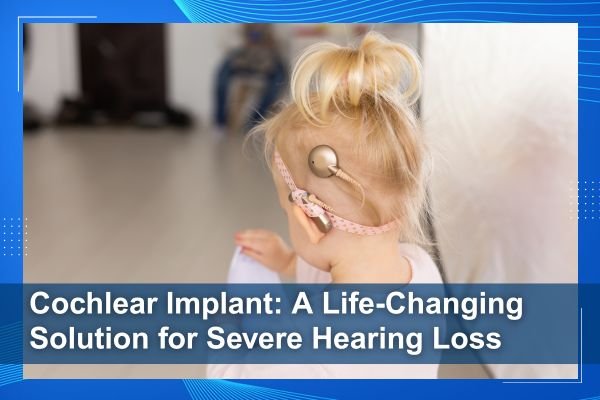
The Day Silence Began to Take Over For 28-year-old Rahul Sen, hearing had always been a natural part of life. Conversations with family, laughter among friends, and the sounds of everyday life were things he never thought twice about. However, following a progressive hearing condition, Rahul began experiencing significant hearing difficulties. Initially, he struggled to understand conversations in crowded environments. Over time, even simple one-on-one conversations became challenging. The television volume kept increasing. Phone conversations became frustrating. Social gatherings felt isolating. Eventually, hearing aids no longer provided adequate benefit. The world around him was becoming quieter, and with that silence came anxiety, frustration, and emotional distress. Determined to find a solution, Rahul consulted Dr. Arindam Das, a renowned Cochlear Implant Specialist, Otologist, and Hearing Implant Surgeon known for helping patients overcome severe hearing loss through advanced hearing restoration procedures. That consultation marked the beginning of a remarkable transformation. Understanding Cochlear & Hearing Implants After comprehensive hearing assessments and audiological testing, Dr. Das explained the available treatment options. What Are Cochlear & Hearing Implants? Cochlear Implants are advanced electronic devices designed to help individuals with severe to profound hearing loss who receive limited benefit from conventional hearing aids. Unlike hearing aids, which amplify sound, cochlear implants directly stimulate the auditory nerve, allowing sound signals to reach the brain. Who May Benefit from Cochlear Implants? Cochlear implants may be recommended for: Modern hearing implants can dramatically improve communication abilities and quality of life. The Emotional Impact of Hearing Loss For Rahul, hearing loss affected much more than his ears. He experienced: Many individuals with severe hearing loss describe feeling disconnected from the world around them. Simple conversations became exhausting. Family interactions became difficult. The emotional burden often felt overwhelming. Expert Cochlear Implant Care with Dr. Arindam Das During consultation, Dr. Das carefully evaluated Rahul’s hearing status and discussed realistic expectations from cochlear implantation. His patient-centered approach focused on: His clear explanations and compassionate guidance helped Rahul and his family feel confident about moving forward. The Cochlear Implant Journey The treatment process involved careful planning and multidisciplinary support. Rahul’s Cochlear Implant Treatment Included: Each step was designed to maximize hearing outcomes and support successful adaptation. Why Early Intervention Matters Timely treatment is essential when hearing loss begins affecting communication and daily life. Benefits of Early Cochlear Implant Intervention The sooner appropriate treatment begins, the greater the opportunity for successful hearing rehabilitation. Recovery Journey: Rediscovering Sound Following successful cochlear implant surgery and rehabilitation, Rahul gradually began experiencing sounds that he had not heard clearly for years. At first, the sounds seemed unfamiliar. With time, training, and consistent rehabilitation, his brain adapted. He began recognizing voices. Conversations became easier. The laughter of loved ones, music, birds chirping, and everyday sounds once again became part of his world. Each milestone brought overwhelming joy. For Rahul, hearing was no longer something he took for granted—it became one of life’s greatest gifts. A New Chapter Filled with Sound Today, Rahul enjoys a more connected and confident life. He communicates comfortably with family and friends, participates actively in social activities, and continues to make progress through hearing rehabilitation. Most importantly, he has regained his independence and confidence. His story demonstrates how modern hearing restoration technology, expert surgical care, and dedicated rehabilitation can transform lives. Under the supervision of Dr. Arindam Das, what once felt like a world of silence became a journey toward connection, communication, and renewed hope. Frequently Asked Questions (FAQs) What is a cochlear implant? A cochlear implant is an electronic hearing device that helps individuals with severe to profound hearing loss by directly stimulating the auditory nerve. How is a cochlear implant different from a hearing aid? Hearing aids amplify sounds, while cochlear implants bypass damaged parts of the inner ear and directly stimulate hearing pathways. Who is a candidate for cochlear implantation? Individuals with severe hearing loss who receive limited benefit from hearing aids may be suitable candidates. Is cochlear implant surgery safe? Cochlear implant surgery is a well-established procedure performed by experienced specialists worldwide. Will I hear normally after a cochlear implant? Results vary between individuals. Most patients experience significant improvement in hearing and communication abilities following surgery and rehabilitation. Is rehabilitation necessary after cochlear implantation? Yes. Auditory rehabilitation and device programming are essential for achieving the best possible hearing outcomes. Conclusion: Restoring Hearing, Rebuilding Lives Severe hearing loss can affect communication, confidence, relationships, and overall quality of life. Fortunately, advances in hearing restoration technology have created life-changing opportunities for patients worldwide. Under the expert supervision of Dr. Arindam Das, a leading Cochlear Implant Specialist, patients receive comprehensive hearing care focused on accurate diagnosis, advanced implant surgery, hearing rehabilitation, and long-term success. Rahul’s journey is a powerful reminder that hearing loss does not have to define the future. With timely intervention, expert care, and modern cochlear implant technology, patients can reconnect with the sounds, voices, and moments that make life truly meaningful.
Hearing the World Again: A Life-Changing Journey with Cochlear & Hearing Implants Read More »