Hearing Loss Treatment

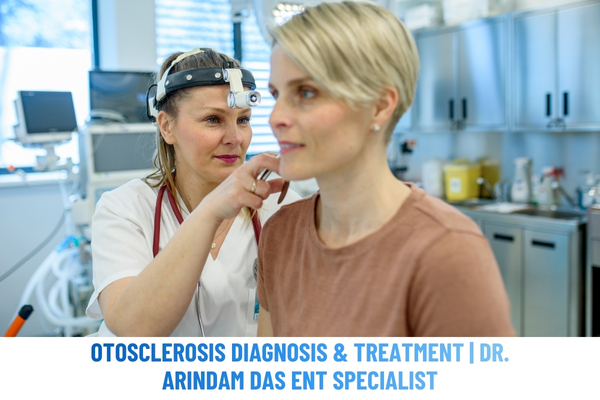
Otosclerosis Diagnosis & Treatment | Dr. Arindam Das ENT Specialist

Otosclerosis: Understanding Progressive Hearing Loss and Its Treatment with Dr. Arindam Das Otosclerosis is a common ear condition that causes gradual hearing loss, most often affecting young and middle-aged adults. It occurs due to abnormal bone growth in the middle ear, which interferes with sound transmission. Dr. Arindam Das, an experienced ENT surgeon, provides comprehensive diagnosis and advanced treatment for otosclerosis, helping patients regain hearing and confidence. What Is Otosclerosis? Otosclerosis develops when abnormal bone remodeling affects the stapes bone in the middle ear, preventing it from vibrating normally. Over time, this leads to conductive hearing loss and, in some cases, mixed or sensorineural hearing loss. Common Symptoms of Otosclerosis Early evaluation is essential for optimal outcomes. Diagnosis and Treatment Options Dr. Arindam Das conducts a thorough assessment using: Treatment options may include: Expert ENT Care with a Patient-Centric Approach Dr. Das is known for his precise surgical skills and compassionate communication. He ensures patients fully understand their condition and treatment options, helping them make informed decisions about their hearing health. Conclusion Otosclerosis can significantly impact hearing and quality of life, but timely diagnosis and expert treatment can restore sound clarity and confidence. With advanced ENT care and a patient-focused approach, Dr. Arindam Das offers effective solutions for managing otosclerosis and improving hearing outcomes.

Otosclerosis Diagnosis & Treatment | Dr. Arindam Das ENT Specialist Read More »
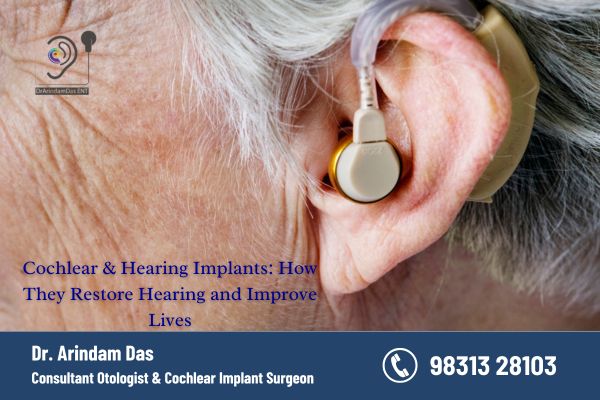
Cochlear & Hearing Implants: How They Restore Hearing and Improve Lives

Cochlear & Hearing Implants: Restoring Sound, Transforming Lives Hearing loss can be life-altering, affecting communication, social interactions, and overall well-being. While hearing aids help many, they may not be sufficient for individuals with severe hearing impairment. This is where cochlear and hearing implants come in—offering a revolutionary solution for those who struggle with conventional hearing aids. What Are Cochlear and Hearing Implants? Cochlear and hearing implants are advanced medical devices designed to restore hearing in individuals with significant hearing loss. Unlike hearing aids, which amplify sound, cochlear implants bypass damaged parts of the ear and directly stimulate the auditory nerve, providing a clearer sound perception. Types of Hearing Implants: Who Can Benefit from Cochlear Implants? Cochlear implants are recommended for:✔️ Children and adults with profound sensorineural hearing loss✔️ Individuals who receive little to no benefit from hearing aids✔️ People struggling with speech recognition despite using hearing aids Early intervention is crucial, especially in children, as it helps with speech and language development. Adults who lose hearing later in life can also benefit significantly by regaining their ability to understand speech and communicate effectively. How Does the Implantation Process Work? The process involves three key steps: 🔹 Evaluation – A hearing specialist conducts tests to determine eligibility.🔹 Surgical Implantation – A minor surgical procedure is performed to place the internal implant.🔹 Activation & Rehabilitation – After healing, the implant is activated, followed by therapy to help the patient adapt to hearing with the device. Success Stories: Life After Cochlear Implants Many people who receive cochlear implants experience dramatic improvements in their ability to hear, communicate, and engage in daily life. Children born with hearing loss can develop speech and language skills, while adults can reconnect with loved ones, enjoy music, and regain independence. Conclusion Cochlear and hearing implants are life-changing innovations for those with severe hearing impairment. If you or a loved one struggles with hearing loss, consulting a hearing specialist can be the first step toward restoring sound and transforming lives. Would you like to explore whether a cochlear implant is right for you? Schedule a consultation today!

Cochlear & Hearing Implants: How They Restore Hearing and Improve Lives Read More »

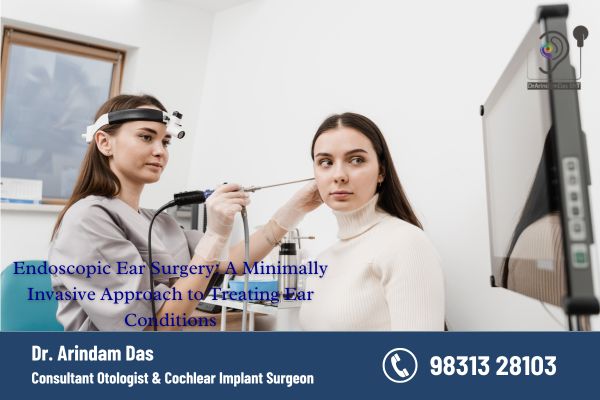
Endoscopic Ear Surgery: A Minimally Invasive Approach to Treating Ear Conditions

Endoscopic Ear Surgery: A Minimally Invasive Approach to Treating Ear Conditions Expert Insights from Dr. Arindam Das Introduction Ear conditions can significantly impact hearing and quality of life. Traditional ear surgeries often involve large incisions and extended recovery periods. However, endoscopic ear surgery (EES) is revolutionizing the field by offering a less invasive, highly effective alternative. Dr. Arindam Das, an experienced ENT specialist, shares insights on how EES provides better outcomes with minimal discomfort for patients. What is Endoscopic Ear Surgery? Endoscopic ear surgery is a modern scar-free technique where surgeons use an endoscope—a thin, flexible tube with a high-definition camera—to access and treat conditions inside the ear. Unlike conventional methods, EES does not require large incisions or removal of ear structures, making it a preferred choice for many patients. Conditions Treated with Endoscopic Ear Surgery  Chronic Otitis Media – Persistent ear infections causing fluid buildup and hearing loss. Cholesteatoma – Abnormal skin growth in the middle ear that can damage nearby structures. Eardrum Perforation – A hole in the eardrum that may lead to infections or hearing impairment. Ossicular Chain Reconstruction – Restoring the small bones in the middle ear to improve hearing. Benefits of Endoscopic Ear Surgery  Minimally Invasive – No external cuts, reducing pain and risk of complications. Better Visualization – The endoscope provides a magnified view of the middle ear for precise treatment. Faster Recovery – Patients heal more quickly than with traditional surgeries. Preservation of Ear Anatomy – Avoids unnecessary removal of ear structures, maintaining natural hearing. How the Procedure is Performed  Step 1: Anesthesia – The patient receives either local or general anesthesia. Step 2: Endoscope Insertion – A high-definition endoscope is inserted through the ear canal. Step 3: Surgical Repair – The surgeon uses micro-instruments to treat the affected area. Step 4: Recovery – Since no large incision is made, post-surgery discomfort is minimal. Recovery & Aftercare  Most patients recover within 2–3 weeks with little to no pain. Avoid water exposure, heavy lifting, and loud noises during the recovery phase. Regular follow-ups ensure proper healing and hearing improvement. Why Choose Dr. Arindam Das for Endoscopic Ear Surgery? Dr. Arindam Das is a renowned ENT surgeon with extensive experience in minimally invasive ear procedures. His expertise in endoscopic techniques ensures that patients receive effective, safe, and advanced treatment options for their ear conditions. Is Endoscopic Ear Surgery Right for You? If you’re struggling with chronic ear infections, hearing loss, or eardrum issues, endoscopic ear surgery could be the solution you’ve been looking for. Schedule a consultation with Dr. Arindam Das to discuss your treatment options and take a step toward better ear health.

Endoscopic Ear Surgery: A Minimally Invasive Approach to Treating Ear Conditions Read More »